So, what is Glass Ball photography (or Crystal Ball photography) and why is it fascinating?
If you ask any professional photographer what makes a photo “great”, most would say – a photo that shows a different perspective, or something you’ve never seen before. That’s where Glass Ball photography comes in: it gives a unique, captivating angle to an otherwise ordinary photo.
Glass Ball photography is based on refraction. Due to its round shape, light passes through the glass ball and inverts the image upside down – leaving viewers in awe.
Wondering what camera settings to use, what precautions to take, and how to compose your shots? Here are some steps to follow:
-
Step 1 – Buying a Glass Ball
Get an 80–100mm crystal ball. Bigger ones are heavy, smaller ones make the image tiny. I use a 100mm crystal ball I found on Amazon for around £16 – worth every penny for the results.
-
Step 2 – Placing the Glass Ball
Place the ball securely with a strong composition in mind. Level it to avoid distortion and frame your subject neatly inside the ball.
-
Step 3 – Safety
These balls are heavy. Make sure it won’t roll or fall, especially near water or on slopes. Safety first – both for your gear and anyone nearby.
-
Step 4 – Composing Through the Ball
Fill the ball with your subject. For landscapes, include elements like the sun, waves, or rocks inside the ball to hold the viewer’s interest.
-
Step 5 – Aperture
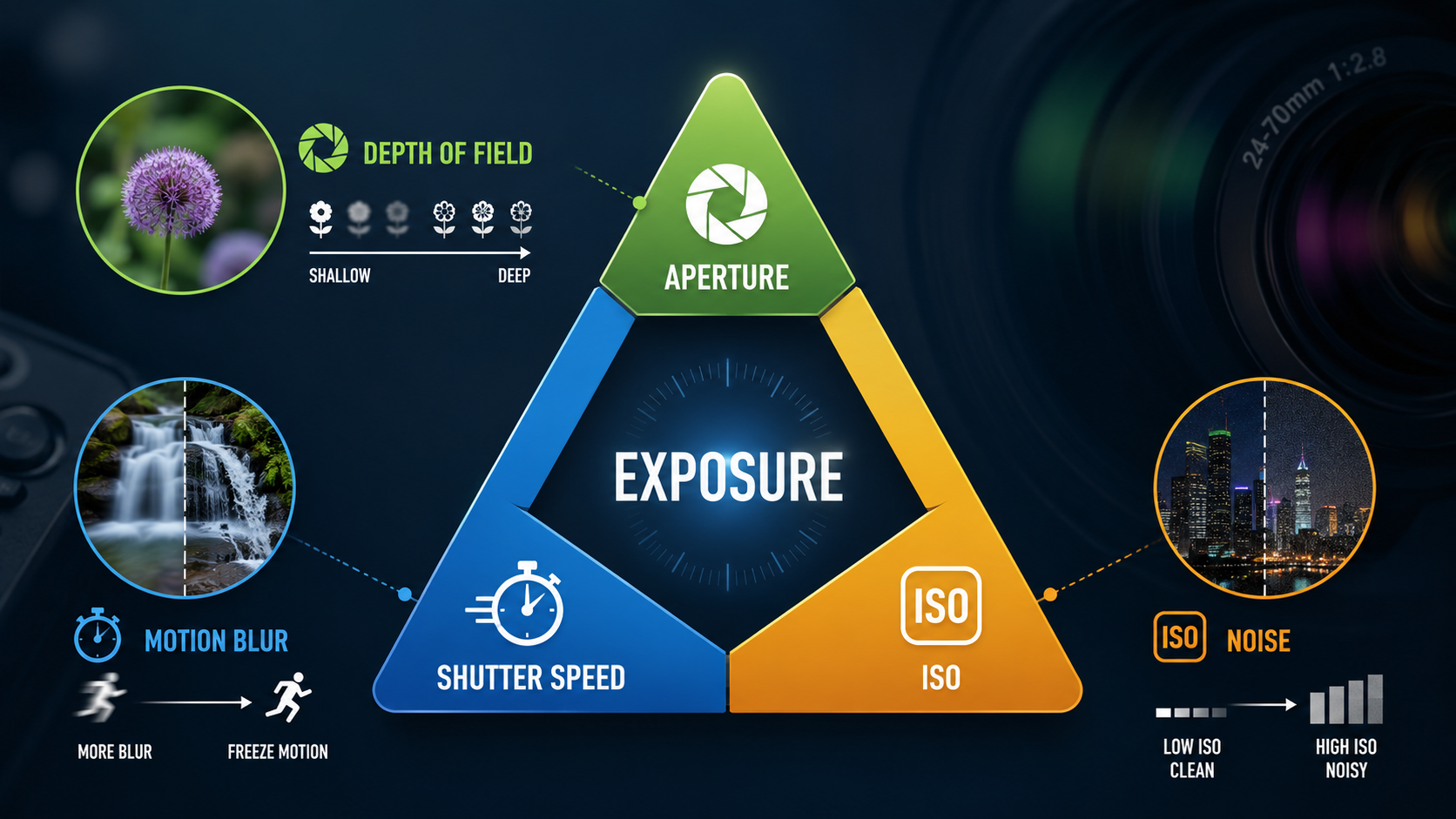
Use an aperture around f/4 to f/6 for a sharp image inside the ball, while keeping a good depth of field.
-
Step 6 – Focal Length
To blur the background and focus attention on the ball, use the longest focal length you can (e.g., 55mm on a kit lens). A macro or telephoto lens works even better.
-
Step 7 – Exposure
Expose carefully. Try bracketing three shots at different exposures and merge them for HDR if needed.
-
Step 8 – Add a Twist
The ball inverts your subject. Rotating the image can place the subject upright while keeping the background inverted – a striking effect.
-
Step 9 – Initial Processing
Blur the background and sharpen the subject to make the glass ball stand out. The ball’s glass quality isn’t perfect, so editing helps.
-
Step 10 – Retouching
Tweak highlights, shadows, exposure, saturation, clarity, noise and sharpness. Add a vignette to pull the viewer’s eye into the ball.
Over to You
There are endless creative ways to use a glass ball: landscapes, portraits, still life, even long exposures. Have you tried it? Share your tips in the comments and spread this article with friends and family.
Kill ’em with your “shooting” skills!

Andy Hornby
Photographer, educator and workshop leader with more than twenty-five years of practical photography experience.
Learn with Andy